Ethan Sholly writes Self-Host Weekly, and this week’s issue had a line that stuck with me: “If our goal was ever to create an open internet, we’re officially moving backwards.”
His evidence is real. Reddit turned off its RSS feeds this week. Starting December 1, Last.fm will charge anyone who holds an API key. Self-hosted music tools that run their own key look likely to get caught in it. His read on why rings true to me. Both companies point to scrapers, and if they don’t charge, AI companies will happily profit off their content for free.
But I don’t think those things were ever about the open internet.
Reddit’s feeds were a favor. So was Last.fm’s free API, and Twitter’s before it, and Google Reader before that. They were nice while they lasted, but they belonged to someone else, and that someone could take them back on a Monday.
To me, the open internet is the stuff people put online that nobody can take down except the person who made it! And for the first time in a long while, that group of people is growing fast. The reason is the same technology that’s making the platforms nervous: AI.
I’m a pretty good example: I’m not a developer and I say so on my own site, right above the 50-some things I’ve built anyway with Claude Code.
Last week I launched Popular Vote Tracker. It follows the National Popular Vote compact, which only decides the 2028 election if states with at least 270 electoral votes have it in effect by July 20, 2028. Every night the site checks for new bills in Open States, an open database of state legislation. Each morning it emails me if something needs a human look. It went from written plan to public launch in two days. A few years ago that would have been a funded project with a developer on staff.
Notice what it runs on, too: open public data. Those projects still exist, and I think they matter more now, not less.
I also run HSR.FYI, a small network of high-speed rail sites with a video page and a weekly newsletter, This Week in High Speed Rail. And, of course, there’s this blog, which lives on my own domain. When a platform changes its rules, my posts are still here. (I wrote about that part back in July.)
None of these is huge, and that’s what excites me. One person with an idea and some stubbornness can now put a real, working thing on the open web and keep it there!
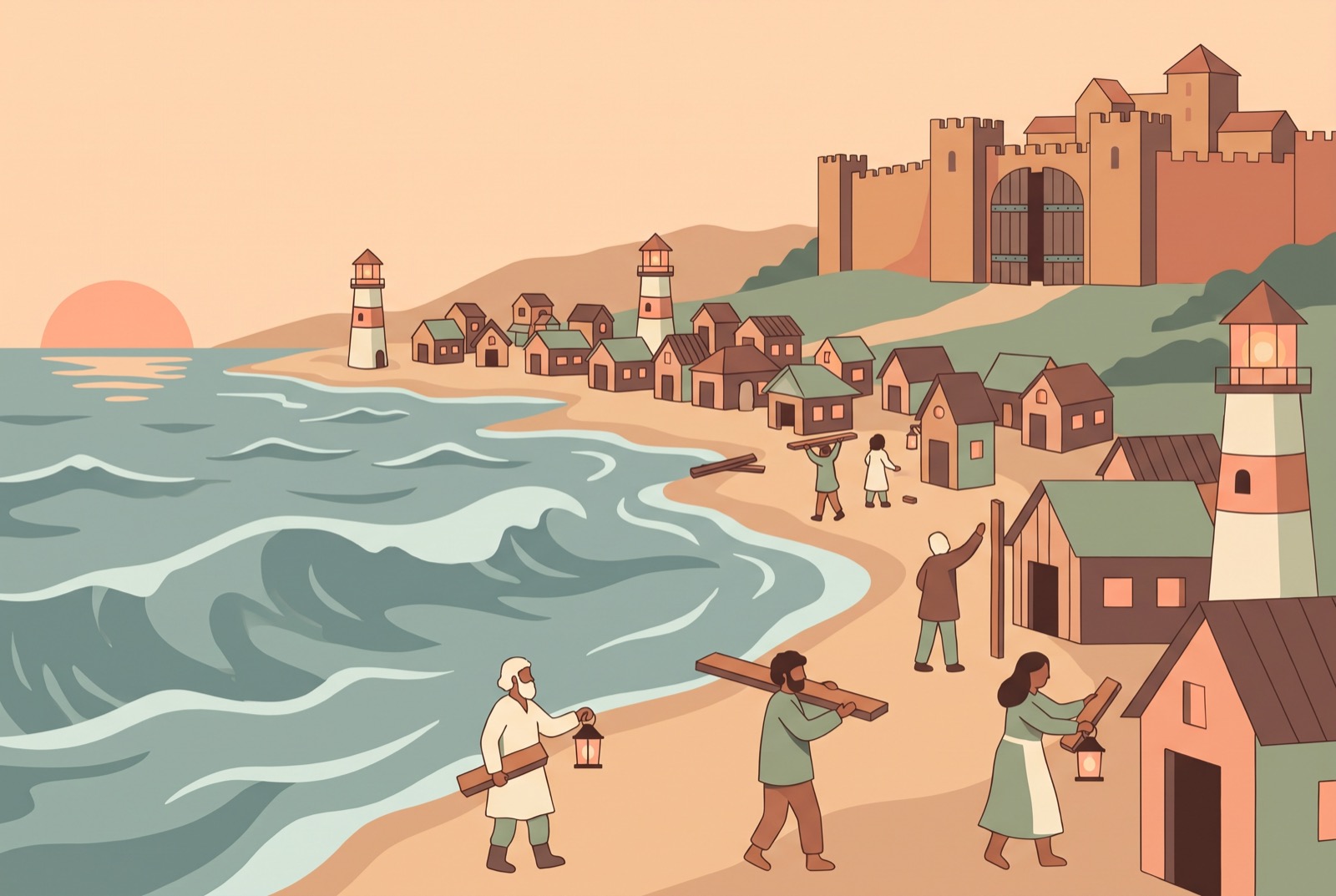
The internet moves in seasons. The early web was weird and open: personal homepages, blogs, RSS readers, everybody linking to everybody. Then the platforms made everything easy, and most of us moved in. Now those platforms are pulling their walls in tighter, at the same moment the cost of building your own thing has dropped close to zero. I think we’re at low tide, and it’s about to come back in.
But it only comes back if people show up. Most of the folks who’d build great things don’t know yet that they can. And the people who care most about the open web are often, understandably, the most suspicious of AI. I’d love to see those two groups find each other. The self-hosting crowd knows how to run things that last. The new builders have the ideas, and now they have the tools too.
Think of one thing you wish existed online, about a cause, your town or a hobby. Ask an AI to help you build a first version. Then put it somewhere you own.
And Ethan, if you’re reading: I don’t think we’re moving backwards. I think a lot more people are about to join us. ❤️