
Subscribe to
Mission Control ➡️
I share thoughts on online tools, learnings from my nonprofit advocacy consulting business, projects I'm launching, Artificial Intelligence, and personal updates—directly to your inbox.
What can I do for you?

Help your organization with technology or campaign operations like production and strategy.

Stress-free onboarding to 1Password to protect yourself from data breaches and easy hacks.

Technology coaching & education.

Help your organization pay less for the tools you use to work.

My ActionKit Production Template
Watch the presentation on the template from the Email Strategy Summit to get a link to download it, or simply use the box below to sign up for my list and get the link directly. 🙌
About Me 🤔
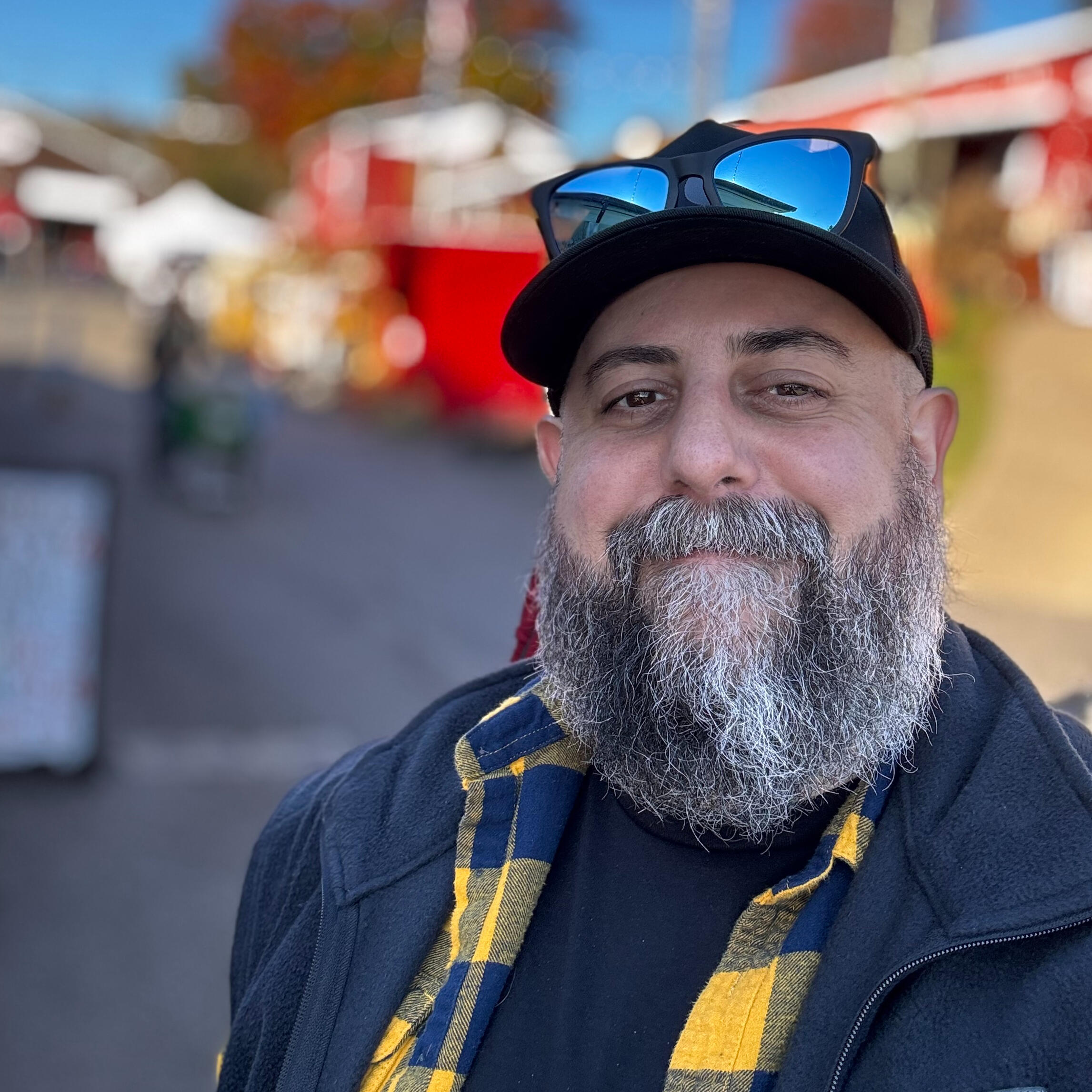
Hi, I’m Jordan — Founder & CEO of CampaignHelp, where I expand capacity in operations and technology for progressive advocacy organizations.I’m a social justice operations leader known for my highly communicative, low-ego style of work. I help nonprofits and advocacy orgs navigate everything from Google Workspace chaos to Apple hardware headaches to “oh no, this tool again” project management dilemmas — and I do it in a way that makes people feel empowered, not overwhelmed.
My recent blog posts

Why the heck aren't you using an AI notetaker yet?

The one security practice that would prevent 80% of nonprofit breaches


Subscribe to
Mission Control ➡️
I share thoughts on online tools, learnings from my nonprofit advocacy consulting business, projects I'm launching, Artificial Intelligence, and personal updates—directly to your inbox.
I'm Jordan! I love
🖖 Star Trek,
😎 synthwave music, and
🤖 technology
🔧 What I Do (and Why I Do It)What gets me out of bed is helping people do mission-driven work without tech-induced migraines.My clients are some of the sharpest, most passionate people in the progressive movement — but let’s be real: Tech sometimes confounds and befuddles the best of us.My job is to resolve trouble and confusion as quickly as possible.Whether that means helping to implement a new process that makes work easier, or onboarding new hires with as little muss & fuss as possible, or even organizing shared Google Drives—I'm the person they call when “this shouldn’t be this hard” turns into “wow, that was easier than I expected.”🧠 What I’m Known ForHere’s what people say when they work with me:“Jordan has never seemed like just a consultant – he’s an integral part of my team who’s always thinking about how to set us up for success.”“Jordan is the single most reliable person I’ve worked with in the progressive movement… a force multiplier for organizational capacity.”I’m especially good at:• Turning messy ops systems into intuitive ones;
• Spotting simple fixes others miss;
• Teaching tech without condescension;
• And keeping things running — calmly, reliably, and well.
Stats & Stack
Interview on "The Great Battlefield" podcast
Listen to my interview with Nathaniel G. Pearlman, found of NGP VAN, to learn more about my story.
How I got here
The 80s

I was born in Miami, Florida but also lived in New Jersey near Philadelphia during pre-school and first grade before moving back to Miami for elementary school.
The 90s
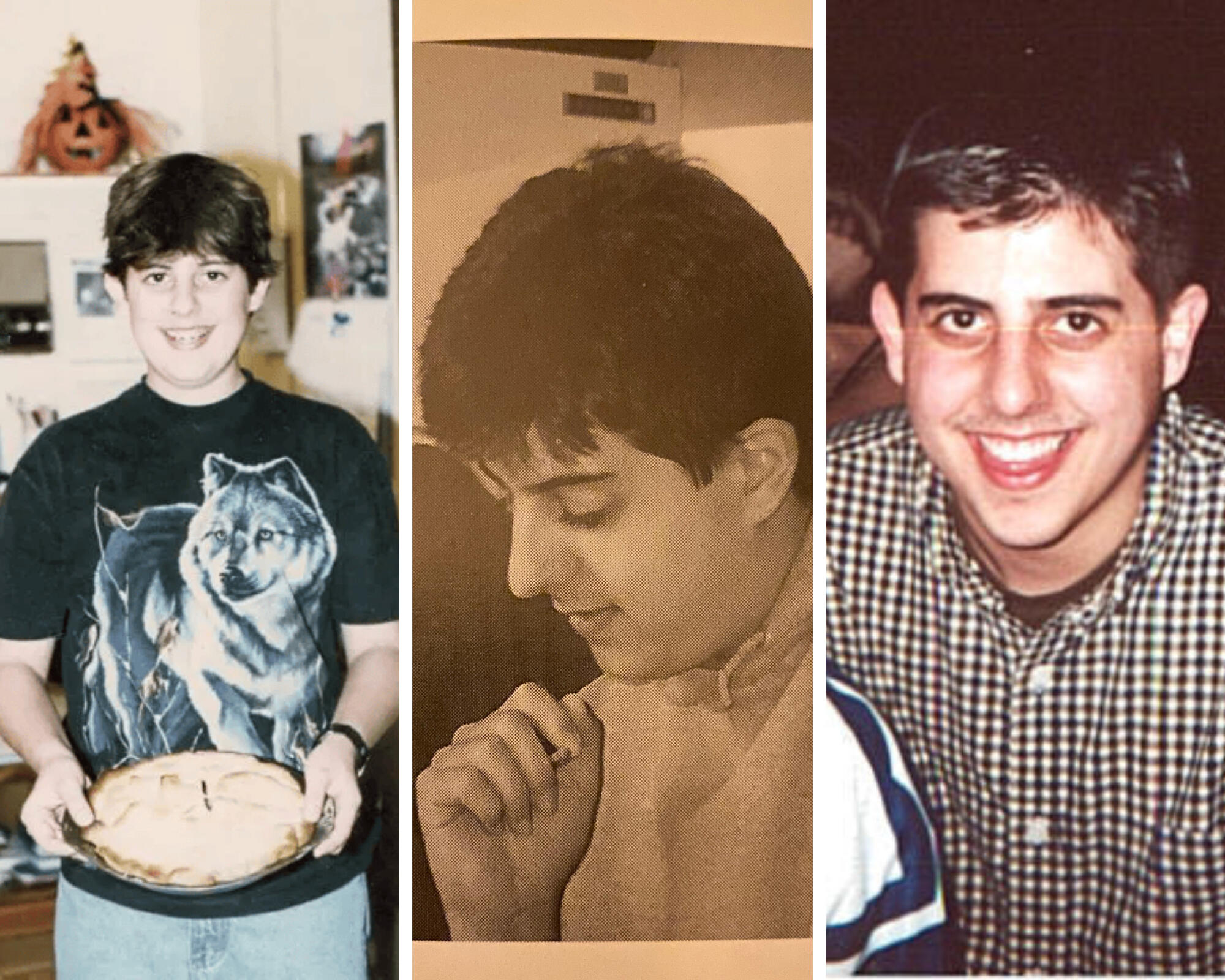
I really found technology when I was introduced to computers by my dad, and fell in love with all they could do. A few years later, when we got a subscription to America Online (AOL), at an awkward time for myself as a new kid at school and discovering that I might be gay, I began role playing in the "Red Dragon Inn" online, and later formed a Star Trek roleplaying organization, StarBase 118 PBEM RPG, that still exists today—over 30 years later.That group taught me a great deal about communication, leadership, and the technology of building a community, which served me very well in the future.I’ve also been an activist since I was young. Even back in high school, I was elected president of the "Respect Club," the closest we could get to a "Gay-Straight Alliance" at our school.I got my first taste of the oppressive power of the institution when we were denied the ability to hang up pictures of LGBTQ+ (or, in those days, "GLBT") icons for LGBTQ History Month, which started in 1994.
Early 2000s
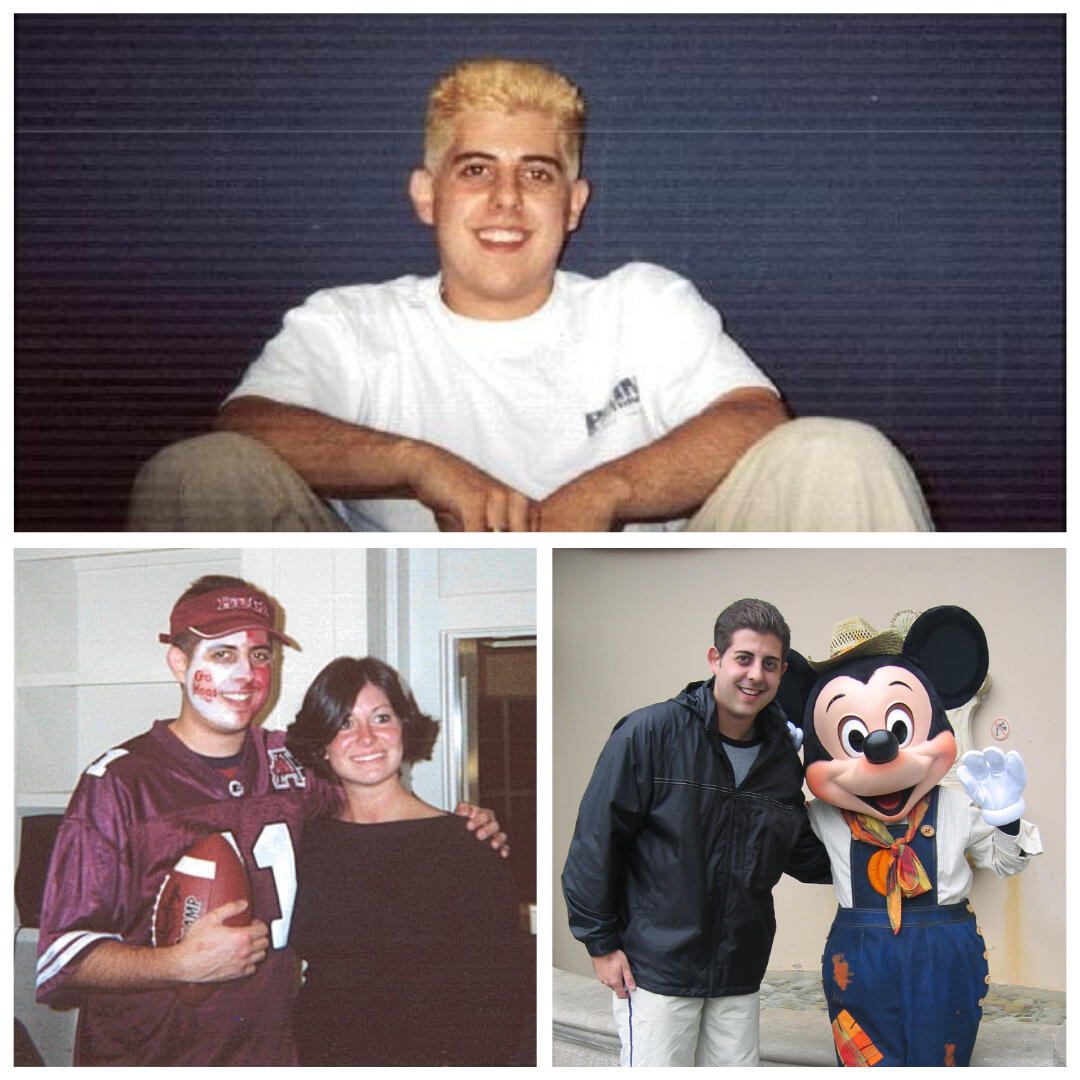
I started college at Loyola University of Chicago in late 1999, where I met an incredible group of friends and even participated in protests against the college administration, which were slashing staff and programs due to a budget shortfall.Come the next fall, I attended the Disney College program and got to not only study Disney's legendary hospitality, but also work in the parks—a dream since I was a kid living in Florida and going to Disney World on a regular basis!Considering Loyola's financial troubles, I decided to continue my education at Hendrix College—a "liberal bastion in the heart of Arkansas," where I earned my Bachelor's Degree in English Literature and ran the college's Gay-Straight Alliance for a year.
Late 2000s
I co-organized the 2007 Little Rock Capital Pride celebration, with the largest attendance recorded and headlined by gay folk rocker Eric Himan. (Watch the performance: 1 & 2.)
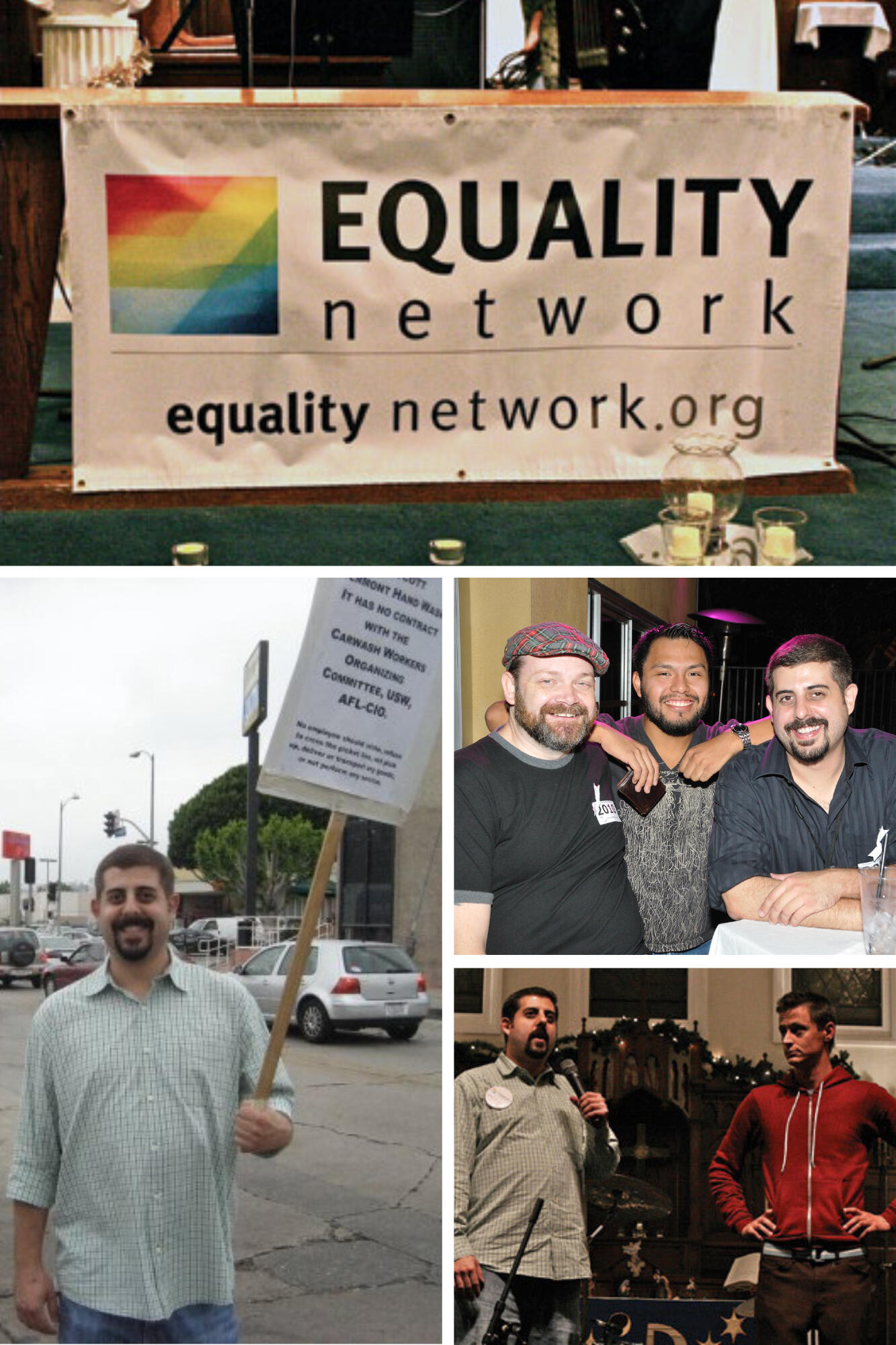
My path really crystallized soon after, in 2008, when Prop 8 (the ballot proposition that overturned marriage equality in California) passed the night President Obama was elected.Just months before, I had volunteered at the Los Angeles Gay & Lesbian Center—after my experience organizing Capital Pride—and had been assigned to work the door at comedy shows, instead of organizing! When Prop. 8 passed, I promised I'd never let anyone define my activism that way again.After live-tweeting (a very new thing at that time!) one of the first marches against Prop. 8's passage, I met one of the march's organizers, David Comfort, and we co-founded Equality Network in the fight to restore marriage equality to California.What followed was more than two years of intense activism, civil disobedience, and even co-signing a ballot proposition for marriage equality in California as part of the interim administrative committee of a campaign.
The 2010s
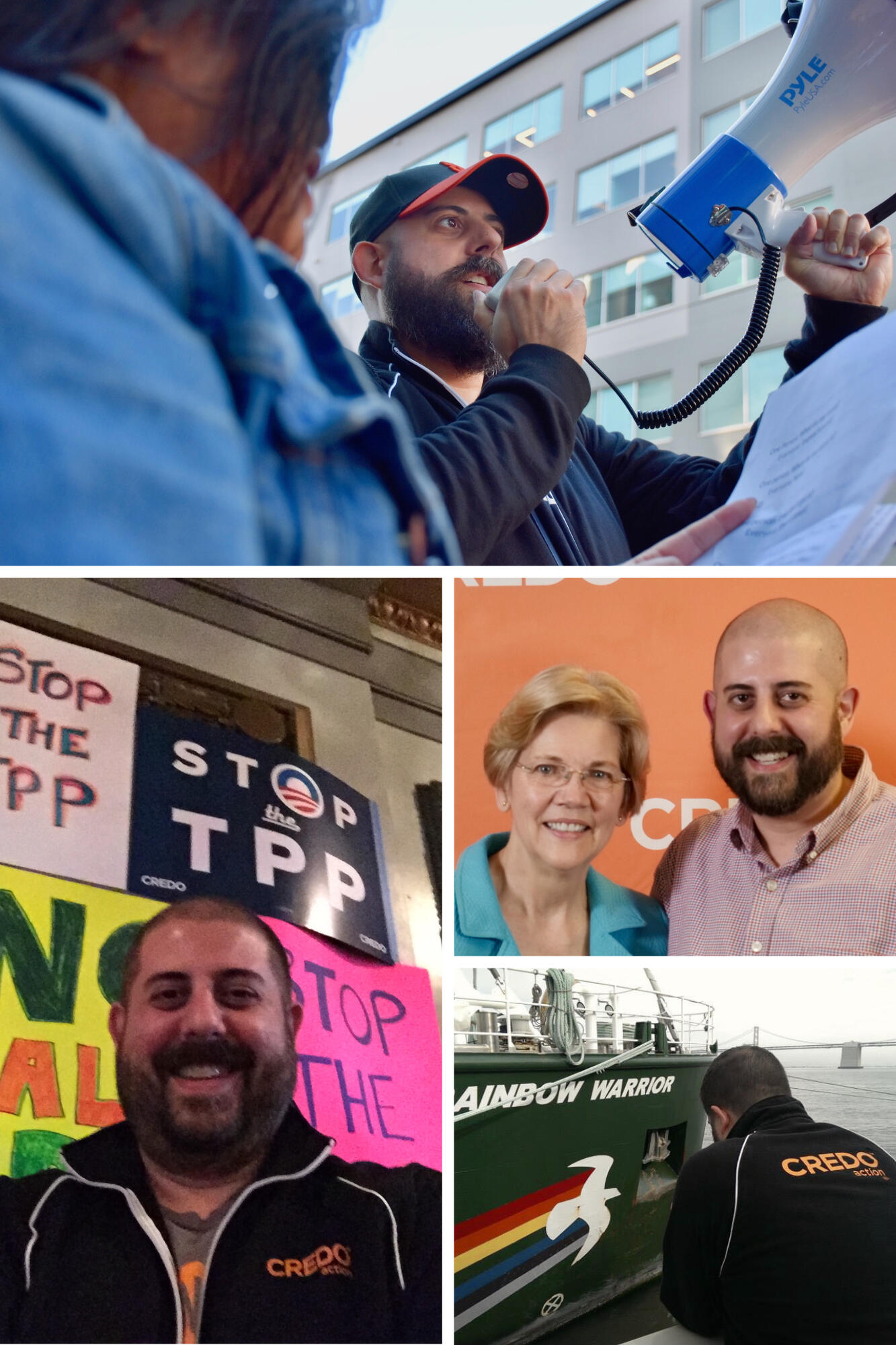
My experience with Prop. 8 led me to the New Organizing Institute’s "New Media Bootcamp," the primary training for people looking to get into digital campaigning. It was an incredibly valuable institution that no longer exists, much to the detriment of the progressive movement.I was then hired by the Progressive Change Campaign Committee to lobby the Progressive Caucus in Congress, and spent many days in Capitol Office Buildings sitting with stubborn legislative directors and chiefs of staff!Fed up with Congress' unwillingness to use its power, I found a new home back in California with CREDO Action, where I served as a Campaigner and later Director of Operations for over seven years and learned more about the power of organizing from the outside with an email list of 5 million members.
The 2020s
CREDO Action was my home, my dream job, and where I thought I'd stay for many more years. I was devastated when we were told that CREDO was laying off its advocacy team in January of 2020. But as they say, when one door closes, another opens, and wow was that true for me!When the job hunt didn't go anywhere fast, I started taking on projects with organizations that I had worked in alliance with at CREDO Action. Soon, that transformed into a full-time consulting practice with CampaignHelp.Since then, I've worked with a dozen organizations to streamline processes, take the burden of technology off campaigners, and implement new tools that make work more efficient. Although, at times, it can be a bit scary running my own business, I wouldn't trade it for anything!
I love tinkering with new technologies and launching ideas.

I’ve always been drawn to new tools and technologies—especially the ones that feel just a little bit ahead of their time, and I’ve never quite been able to resist the urge to try things for myself. That impulse runs deep: my dad was an entrepreneur, and I grew up watching him chase ideas and take risks! I think that shaped me more than I realized.This page is where I keep track of the projects I’ve started outside my core consulting work—experiments, tools, and resources sparked by a mix of curiosity, admiration, and a deep love for what’s possible when people build with purpose.Some projects are polished, some are scrappy, but all come from that same drive to explore what’s next and put it into practice.
Favorite Tools
ChangeKit

One of my biggest frustrations is finding a great new tool for a client, but then realizing that the per-seat pricing puts it out of the realm of budgetary possibility for them. Enough is enough with charging by seat for a service that some of the team might not even use regularly!That's why I founded ChangeKit, which uses the Cloudron platform to host open-source software with no per-seat charges. The cost is simple: One, minimal yearly subscription fee and then whatever it takes to host the server—anywhere from $12 to $40 a month.With replacement software for Zoom, Slack, and other commonly used tools, it's a great option for small organizations just getting started and wanting more breathing room before they commit to much larger software providers.
User Manuals

One of the greatest workplace tools I was introduced to at CREDO Action was the "user manual," which helps guide employees through an exercise in explaining to their team members what they need to be a whole person in the workplace.So many of us struggle to manage needs and emotions that—if explained—might actually help our coworkers better coordinate so everyone can feel accepted and thrive in the workplace.User manuals will not only help each person explain what they need, but also help everyone on the team understand each other better.Check out this Notion template for more information.
The Transparent Hiring Pledge

Hiring processes are often opaque and frustrating—especially for job seekers in the progressive space who expect more from movement employers. After years of seeing friends and colleagues burned by “ghost jobs,” misleading postings, and silence after interviews, I created the Transparent Hiring Pledge to push for change. It’s a simple commitment: organizations pledge to adopt a handful of clear, respectful practices—like posting salary ranges, closing job listings when filled, and communicating outcomes to all applicants.I believe transparency in hiring is more than a best practice—it’s a signal of respect. When organizations are honest and responsive in how they recruit, they help build trust and equity into the very first steps of a working relationship. The pledge is meant to raise the floor, not create paperwork. It gives both small and large organizations a way to publicly commit to treating job seekers fairly, while helping us all move toward a more just and accountable workplace culture.
Four Days with AI

After reading about how a lot of companies are hoping to make workers more efficient with Artificial Intelligence, it dawned on me that we're already headed in the wrong direction with this technology that fascinates and delights me on a daily basis: Instead of taking the gains from Artificial Intelligence tools to finally—FINALLY—start cutting back on the work week and give back some rest and rejuvenation to workers, many startups and techbros are looking for ways to expand OKRs and make workers produce even more!The four-day work week has been a growing movement over the past few years, and I feel like it's a good time to try and combine both the four-day work week movement with the gains of Artificial Intelligence, as they start to ramp up, to wrestle back the work week from employers.We need a movement that will remind everyone in society that we aren't made to work ever-increasing amounts under ever straining pace indefinitely.It's time to embrace Artificial Intelligence and use it to help us take more time off.
Tracking progress on "Machines of Loving Grace" predictions
The future of AI is unfolding fast—and it’s easy to lose track of what’s hype, what’s real, and what’s still just theory. When Anthropic CEO Dario Amodei published “Machines of Loving Grace,” it stood out as one of the most thoughtful, concrete predictions about where AI is headed in the coming years. But thoughtful predictions still need accountability. That’s why I created the AI Progress Tracker—to help document, fact-check, and annotate the progress we’re actually making toward the world Amodei describes.This isn’t a fan site or a hit piece. It’s a living record. By mapping each of Amodei’s milestones and claims to real-world developments, the AI Progress Tracker offers a way to stay grounded in reality—whether you’re excited about what’s coming or deeply skeptical. The goal is to make these conversations more informed, and less abstract, by making it easier to see what’s actually happening.
Password Setup Help

Passwords and digital security are not only a huge concern in my work, they're something I've been dealing with for years—but feel like I've finally conquered, with 1Password!As someone chronically online and tinkering, creating, and testing things out, I have thousands of passwords to manage and keep track of between websites I've created, databases, tool logins, and all the software and startups I've given my email address to over the years.And with CampaignHelp, I ensure that all my clients have a secure system for managing all their employees' passwords to go as far as we possibly can to secure employee data, and member data.With so many onboarding sessions under my belt, I felt like it would be a shame to only share my extreme and detailed understanding of the 1Password system with just my clients, and so I'm now offering one-hour coaching sessions to help anyone get set up with 1Password and transfer in all of their passwords. Howabout you?
StarBase 118 PBEM RPG

That's a lot of letters, right? PBEM stands for "Play By Email," and RPG stands for "Role-Playing Game."In 1994, on AOL, I co-founded a Star Trek role-playing game soon after learning about them in chat rooms. I was a Star Trek fanatic, as a kid, and I loved the utopian vision of the future mixed with the sense of cool, calm competency that everyone on the show gave off amidst the vast interplay of species in the galaxy.That game grew into a community that I still have a hard time believing exists to this day, and which I've led for over 30 years.The sense of belonging and fantasy that the game creates for people creates a space where many can interrogate their own personality, feel a sense of fellowship they may never have felt before, and allow an escape from the stresses of the day. It's a hobby for some, and an obsession for others, and some will go to great lengths to get in, or back in, if they've been asked to leave.Over the years I've watched people go through many phases of life, meet fellow members and get married, have kids, and even divorce. It's been the privilege of a lifetime to lead and watch all of this happen.Beyond all that, the game provided me with a testing ground for leadership, community, and technology like perhaps nothing else could have. I got the opportunity to try out many things that ended up becoming central to the work I do now.